Bophana Center
Despite Cambodia’s tropical warmth, welcoming smiles, and vibrant landscapes, a well-informed traveler must also face the truth of the country’s dark past. Although the physical traces of the Khmer Rouge era have become less visible amid Cambodia’s rapid development, engaging with this history offers a deeper understanding of the country and encourages a more thoughtful way of traveling through it.
Many tourists go directly to S-21, now the Tuol Sleng Genocide Museum, a former high school that the Khmer Rouge converted into a prison and torture center. I would not necessarily recommend beginning there. The site reveals only the tip of the iceberg, and many travelers leave feeling haunted rather than genuinely informed in my frank opinion.
This is why I wanted this blog to approach Cambodia’s history from an artistic and cultural angle. The intention is not to shock visitors or make them feel a sense of survivor’s guilt, but to offer a broader and more thorough perspective.
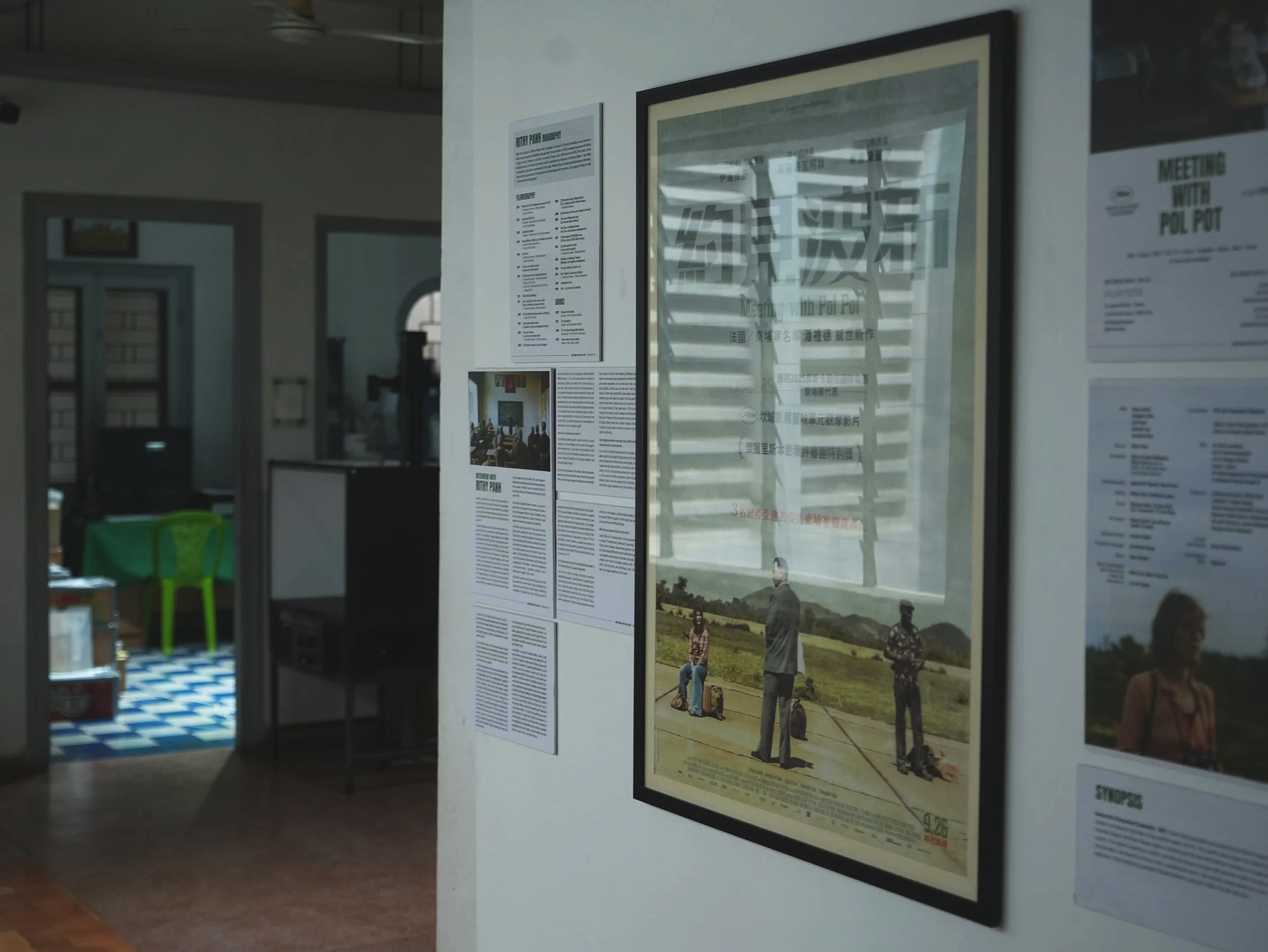
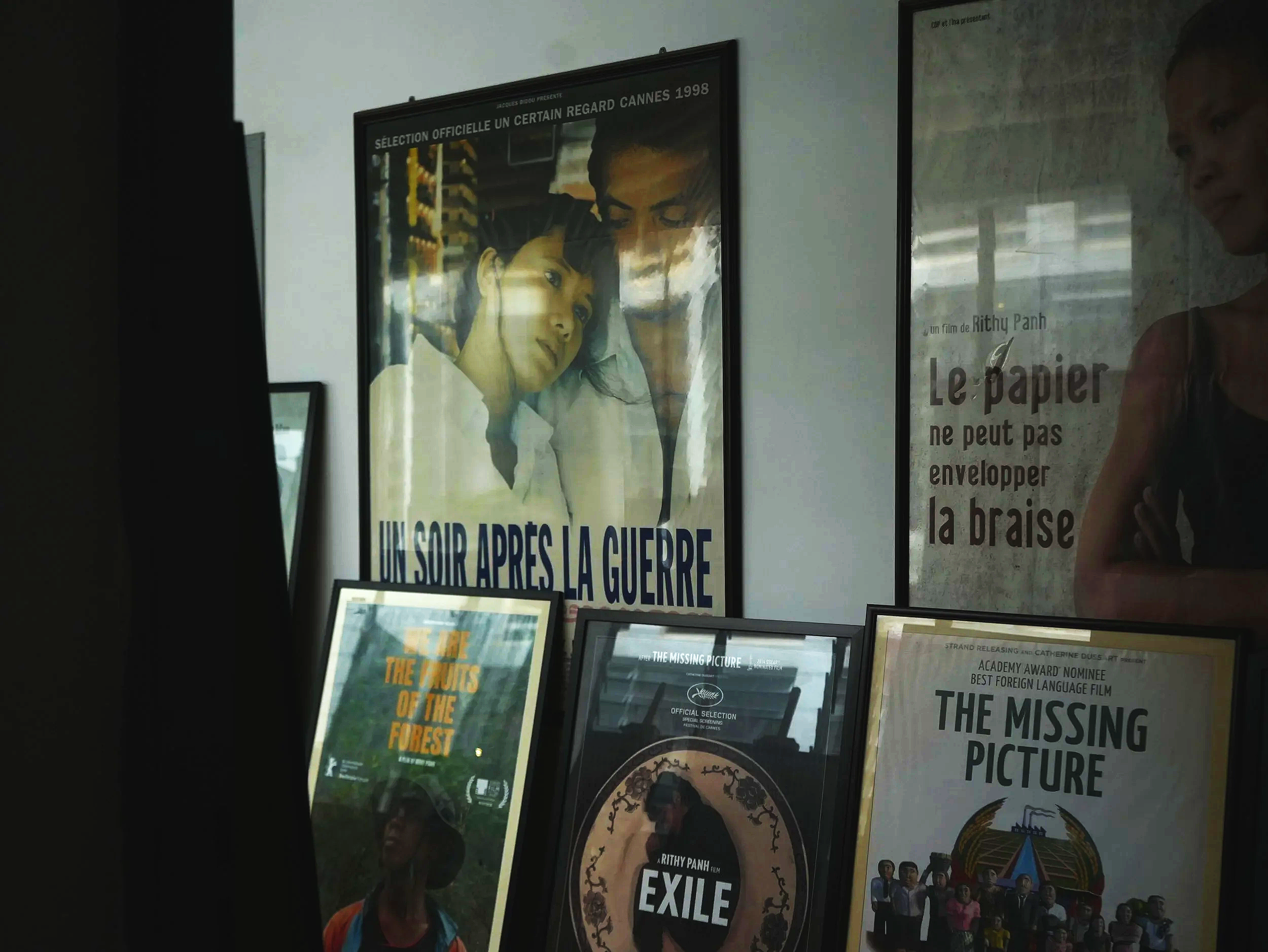
I highly recommend beginning at the Bophana Audiovisual Resource Center in Phnom Penh. Founded by filmmaker Rithy Panh, one of the leading figures in Cambodia’s work of memory, the center collects, preserves, and provides public access to Cambodia’s audiovisual heritage.
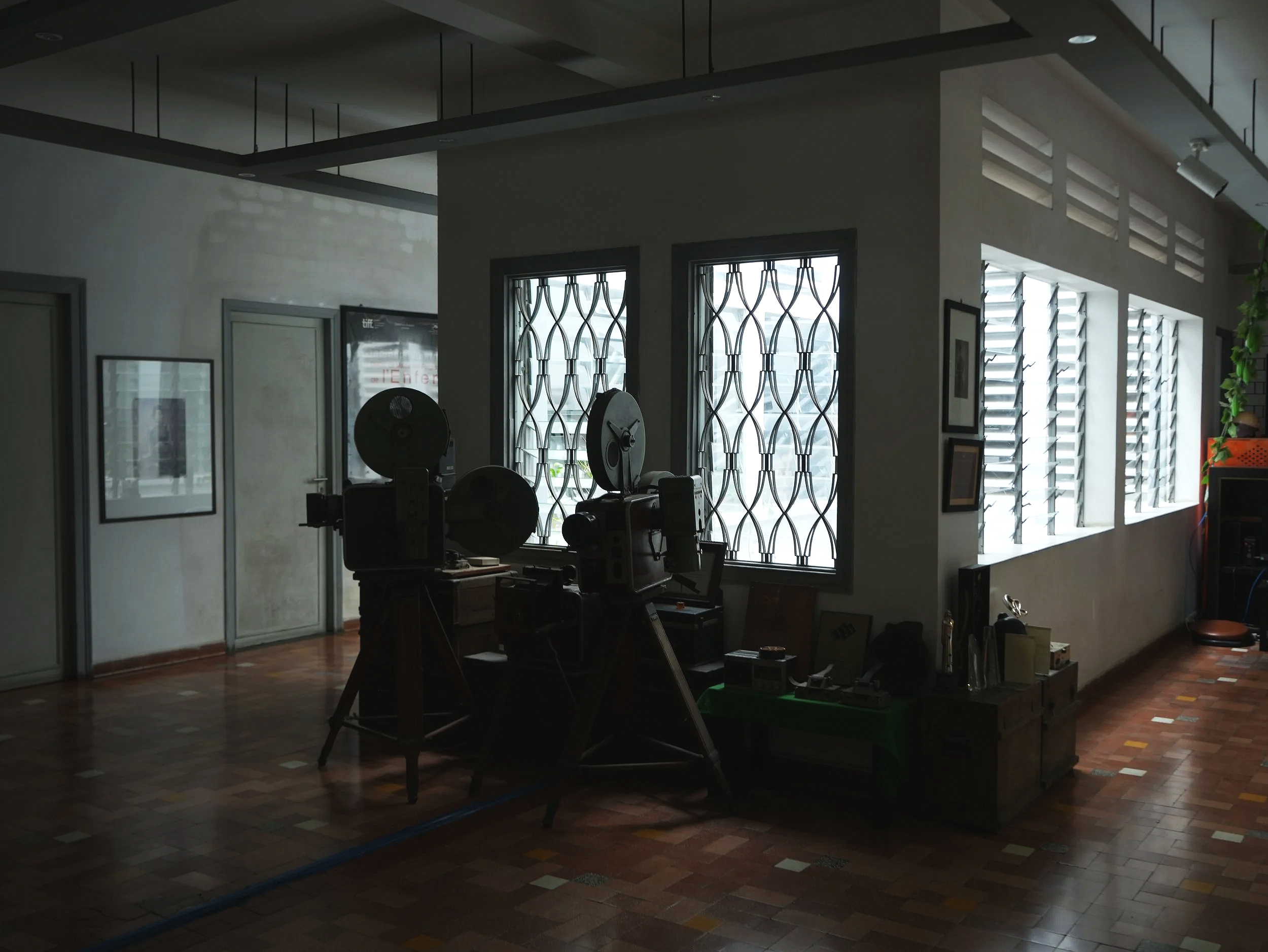
The building is expansive, with a library containing books about the Khmer Rouge era and archives filled with films, photographs, and sound recordings. The staff are friendly and help guide visitors through the collections. I found the interior surprisingly dim, with natural light illuminating much of the space, but this creates a quiet and contemplative atmosphere.
For those who genuinely want to understand what happened during the Khmer Rouge era, I strongly suggest beginning with a film. You might watch First They Killed My Father, directed by Angelina Jolie and based on Loung Ung’s memoir; Enemies of the People, by Thet Sambath and Rob Lemkin; or One Evening After the War, directed by Rithy Panh himself, one of my favorites of his filmography.
From there, pick up a book and spend time at Bophana before deciding whether to visit the historical sites themselves. Approaching the history gradually provides essential context, allowing these places to be encountered with greater understanding rather than through shock alone.