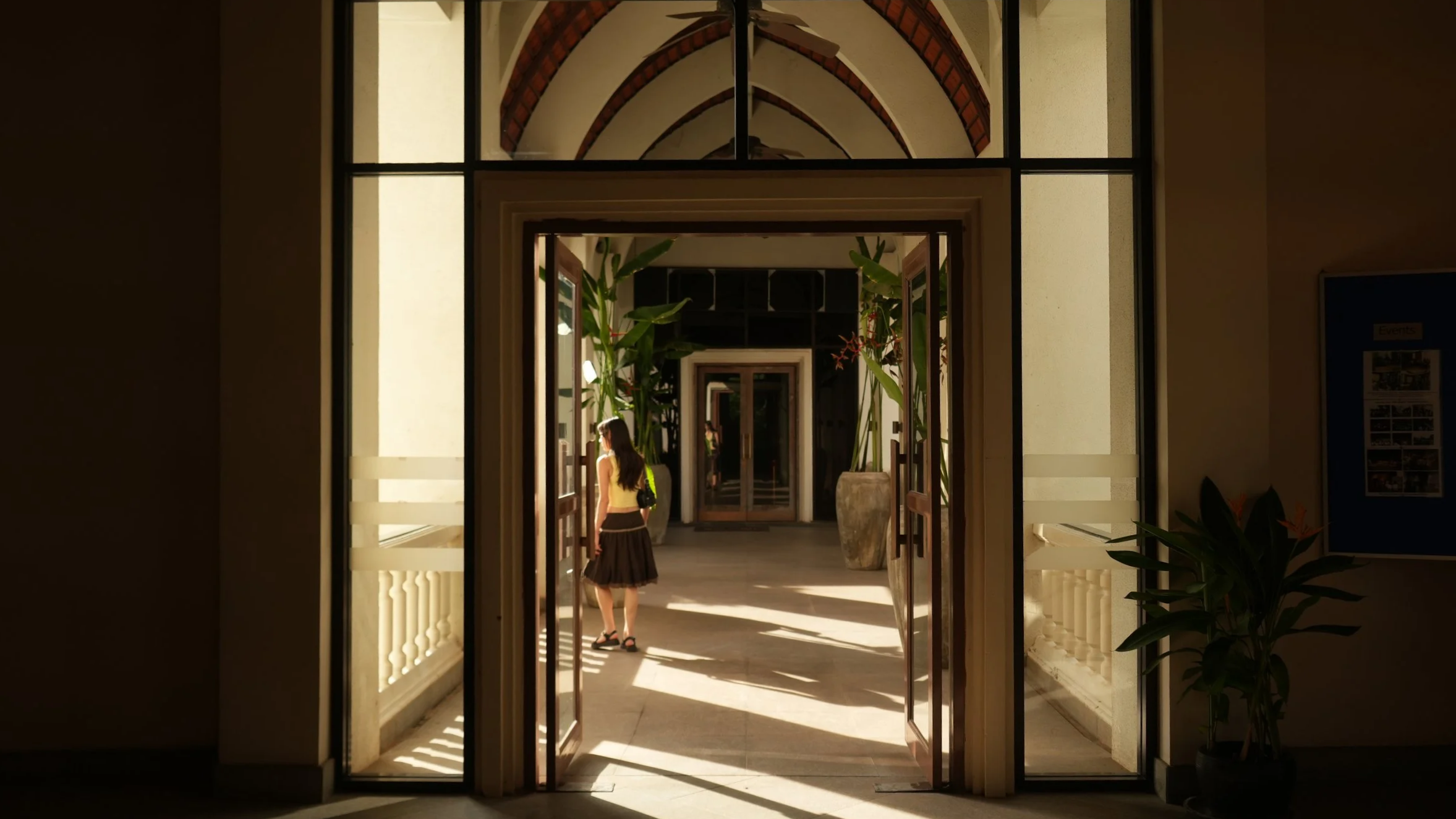
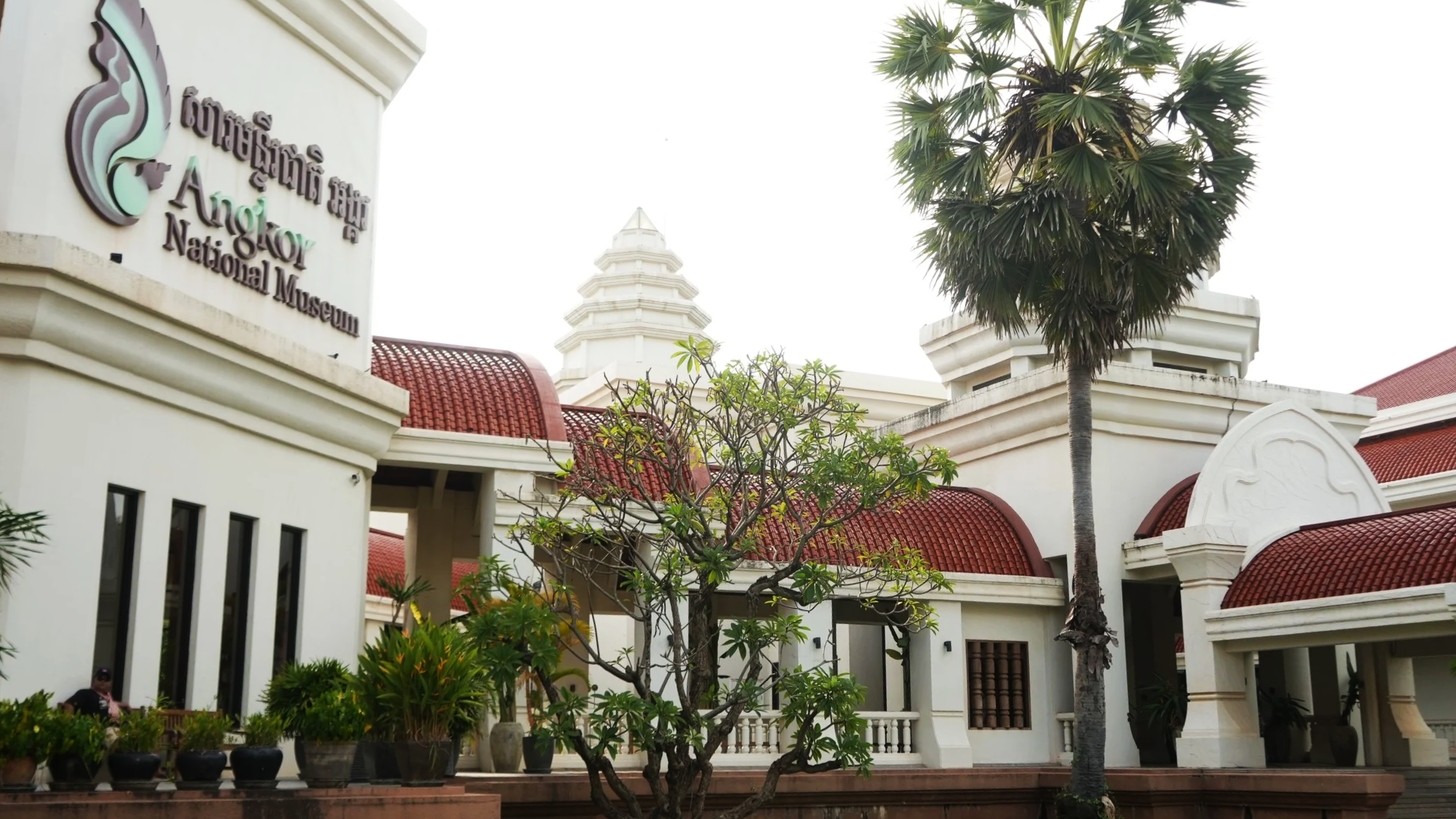
Angkor National Museum
Now, I know what you’re probably wondering: why should you visit a museum when the city itself feels like an open-air archaeological park, with tour guides ready to tell you stories of a mystical empire in almost any language you choose?
But there are some things you can only experience inside a museum. Certain artifacts are too fragile or valuable to remain exposed at the archaeological sites, so the museum gives you the chance to see objects that have been carefully preserved and protected over time. Plus, you get to explore everything in the AC, which, after hours under the Cambodian sun, is honestly a pretty convincing argument by itself haha.
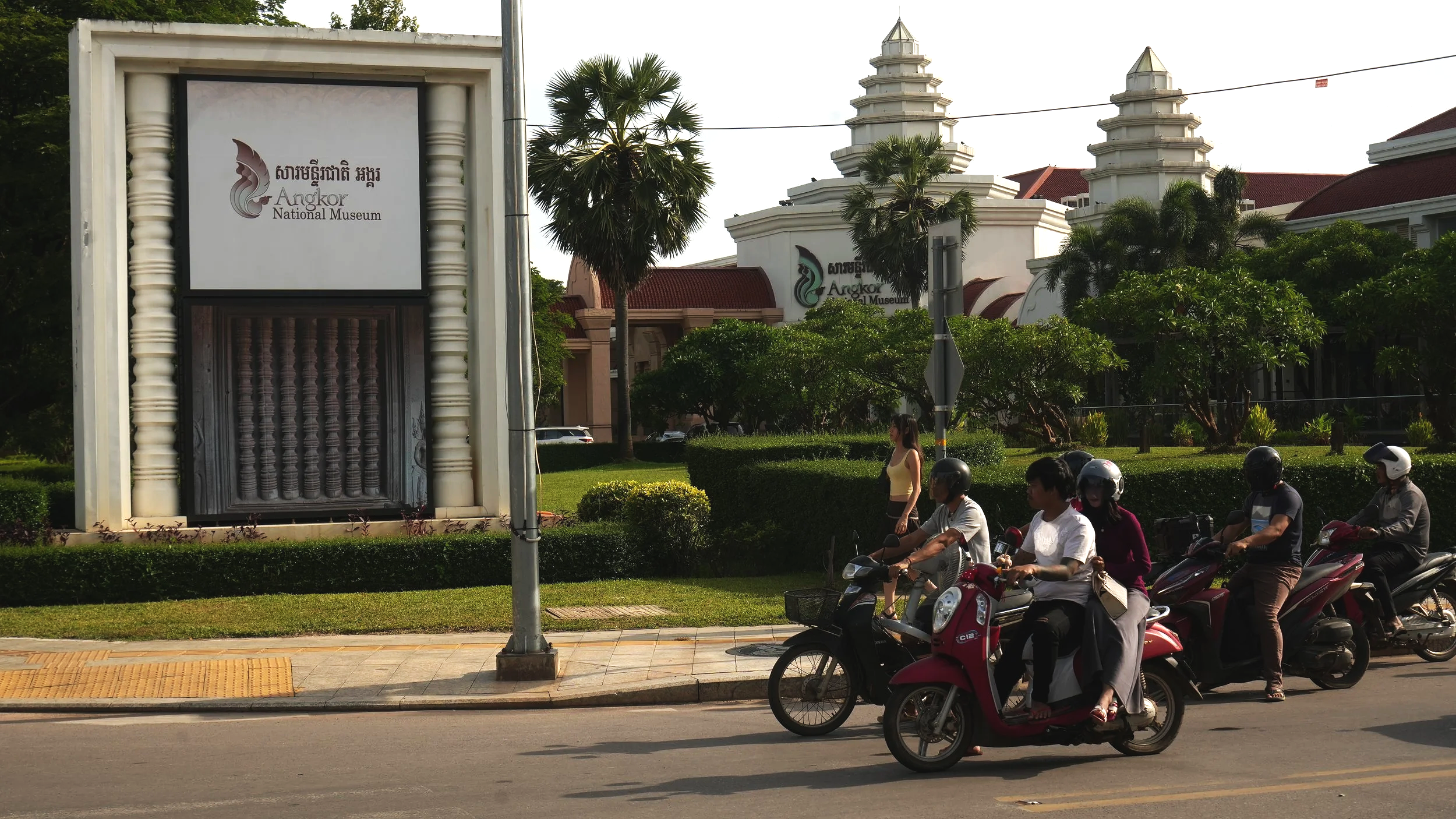
The Angkor National Museum sits between Siem Reap city and the Angkor Archaeological Park, making it almost feel like a bridge between modern life and the ancient world waiting just a few kilometers away.
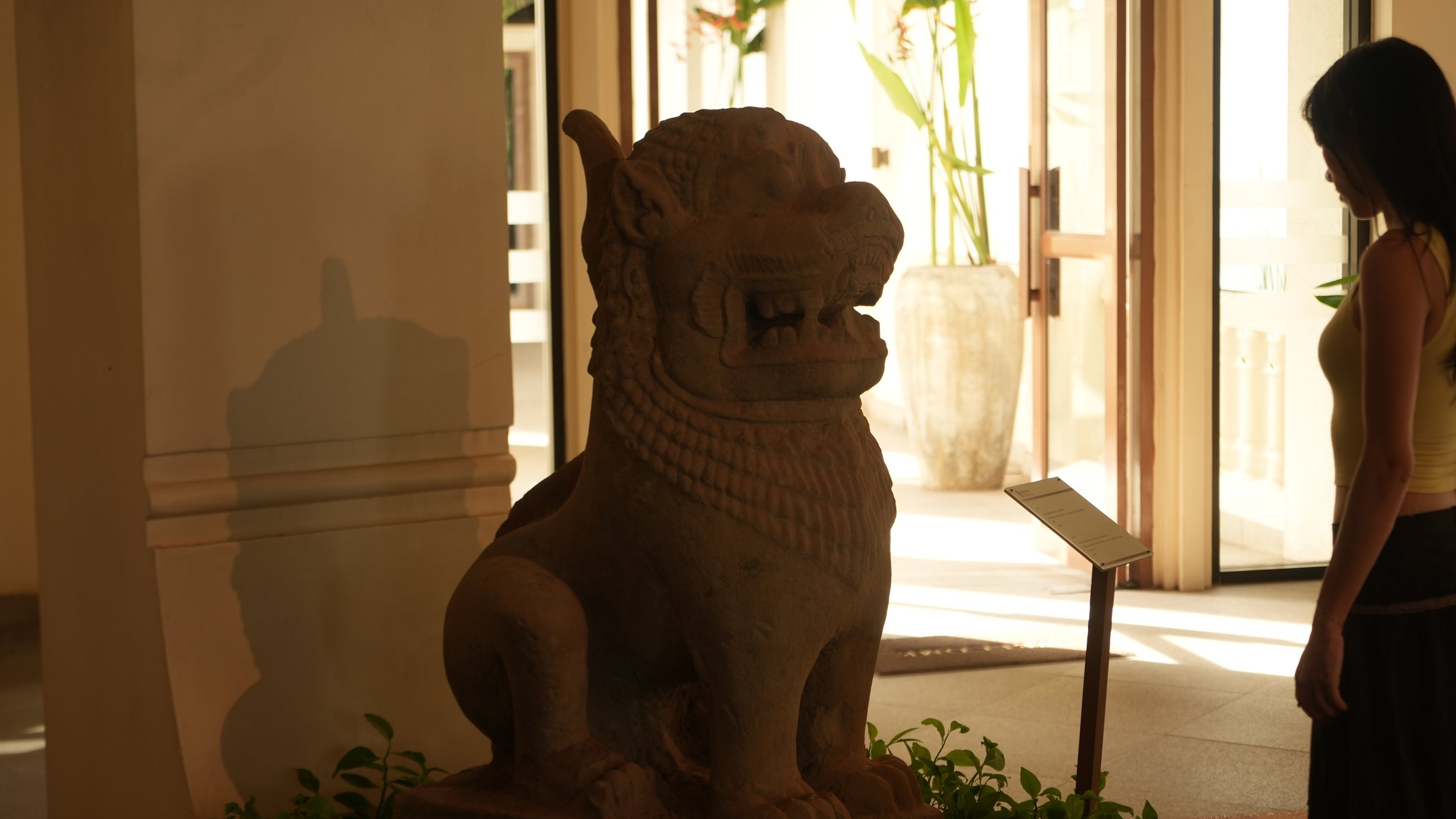
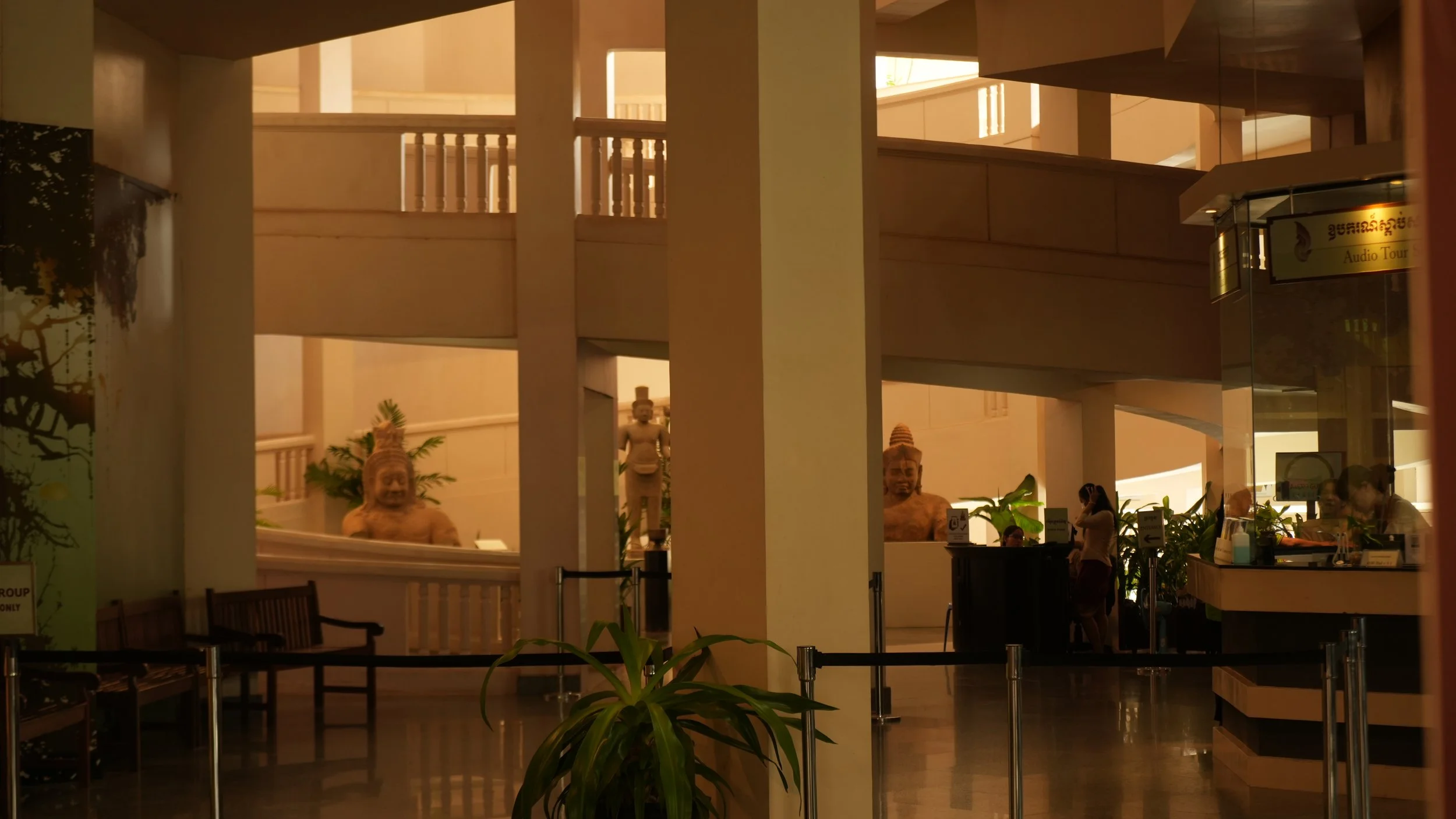
I had actually been to this museum exactly twice before in my life: once with my family and another time on a school trip. Somehow, though, I didn’t remember it being this big or imposing. Walking inside again made me realize by how spacious it is. The building is beautifully lit, with large galleries filled with sculptures, religious objects, inscriptions, and artifacts that help piece together the history of the Khmer Empire.
Unfortunately, I couldn’t capture anything inside because photography isn’t allowed in most of the galleries. I guess it makes sense from a preservation point of view, although part of me really wished I could have documented some of the details.
My favorite part of the museum is Gallery G, the Ancient Costume Gallery. I’ve always loved looking beyond the monumental remains of a civilization and trying to understand the everyday lives of the people who actually lived within it. Temples and monuments can tell us about kings, religion, power, and ambition, but clothing, jewelry, hairstyles, and ornaments bring history back to a much more human scale.
There is something incredibly intimate about seeing how people chose to dress and decorate themselves centuries ago. These details make the past feel less distant. Suddenly, you are not only thinking about an empire or an archaeological period; you are imagining individuals getting dressed, choosing jewelry, preparing for ceremonies. Seeing objects connected to daily life reminds us that these civilizations were made up of human beings who had tastes, traditions, routines, and their own ideas of beauty.
I also think visiting the museum gives you a different perspective before or after exploring Angkor itself. At the temples, everything feels enormous and almost overwhelming. Inside the museum, you can slow down and focus on individual objects, details, and stories that might otherwise be easy to miss.
So yes, Angkor itself may be the greatest museum you could ever walk through, but the Angkor National Museum offers something different: a quieter and more detailed look at the people behind the monuments. And sometimes, understanding the smallest objects can completely change the way you look at the biggest ones.