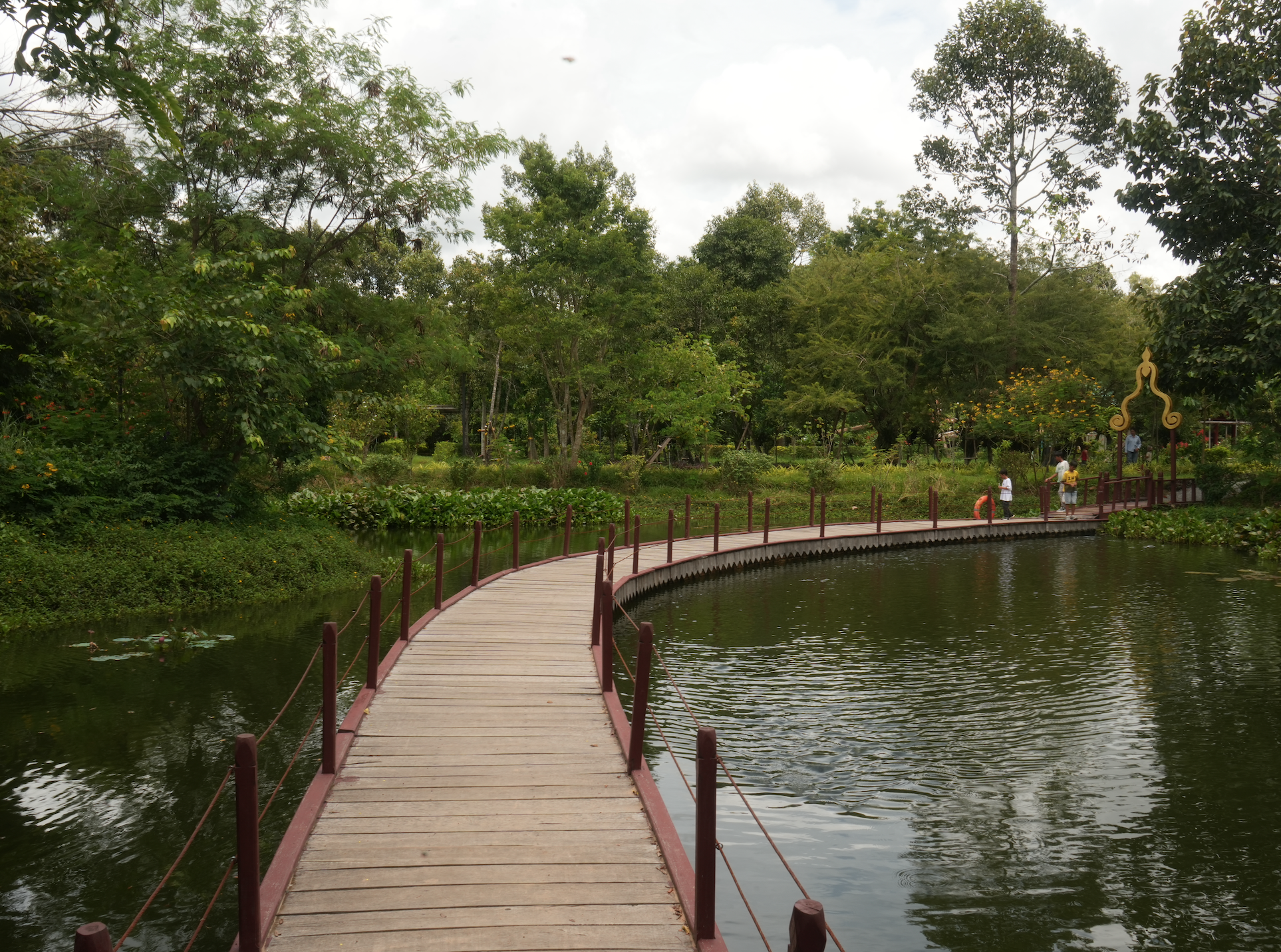
Angkor Botanical Garden
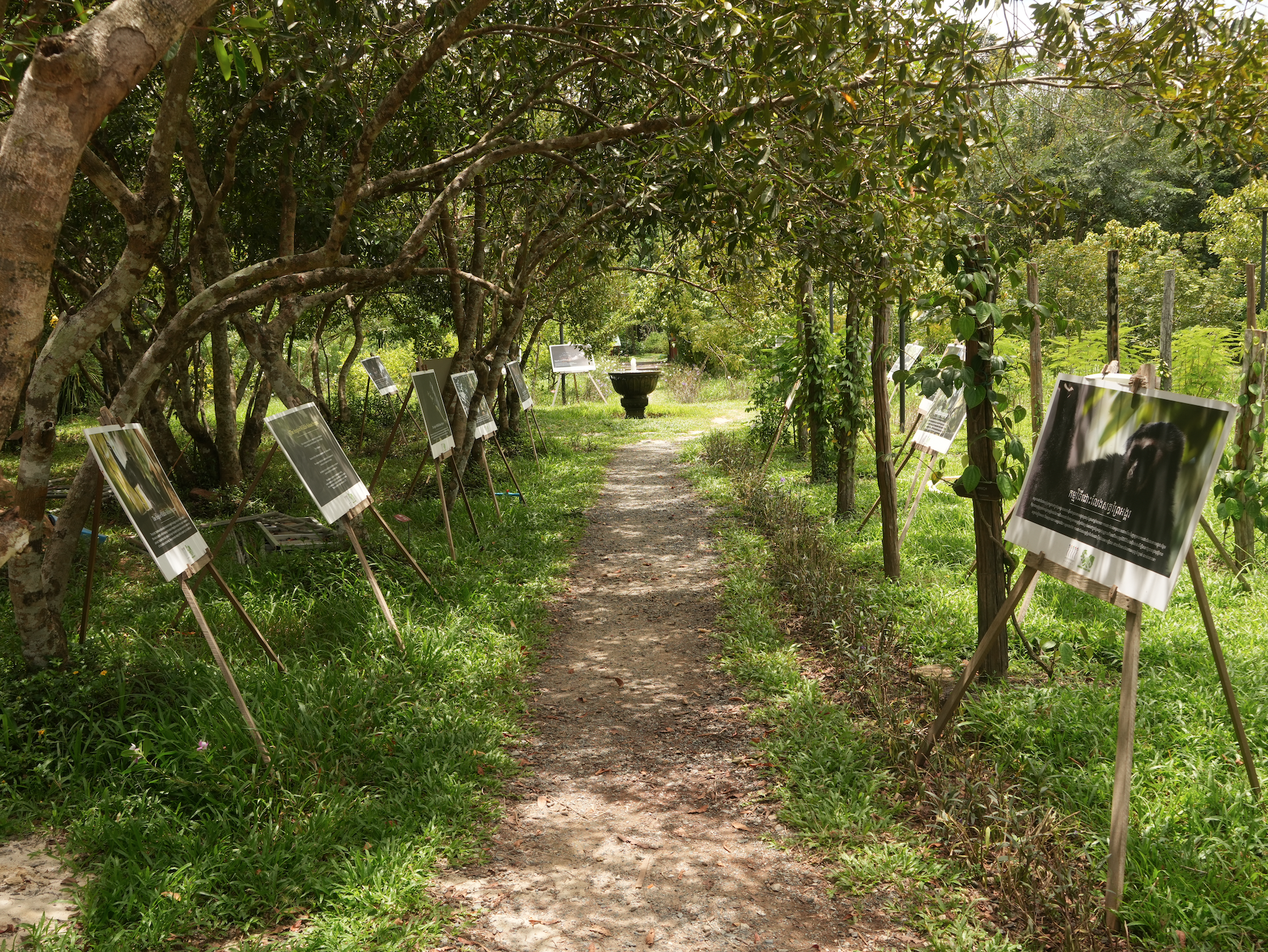
When I arrived at Angkor Botanical Garden, the staff rather insistently encouraged me to follow their social-media pages before entering. But entry was free, so I suppose a follow was the unofficial price of admission.
The sweet smell of waffles quickly distracted me. I bought one and walked inside.
Established in 2022 and managed by the APSARA National Authority, the garden covers around 15 hectares. It is divided into five main areas: a medicinal garden, a flower garden, a palm-species garden, a traditional Khmer habitat garden and a wildlife area.
On paper, that sounds quite ambitious. In person, however, I found the garden somewhat unkempt and difficult to understand.
There were signs identifying some of the plants and directing visitors toward the different areas, but I wanted more context. What made a particular tree important? Was it rare, endangered or culturally significant? How had certain plants traditionally been used in Cambodia? What was being preserved, and why?
Perhaps I have been spoiled by botanical gardens in Amsterdam and Singapore, where I could feel a strong curatorial vision behind the experience. The plants were not simply displayed; their histories, ecosystems and relationships with people were carefully communicated. You left understanding why a species was unusual or worth protecting.
At Angkor Botanical Garden, I didn’t always feel that same sense of intention. At times, it felt less like a botanical institution and more like a large plot of land that had been turned into a public garden.
That does not mean it has no value. The grounds are spacious and peaceful, with plenty of flowers, butterflies and photogenic corners. You could easily spend a relaxed afternoon here, bring someone on a casual date, take pictures or simply enjoy having a large green space to walk through.
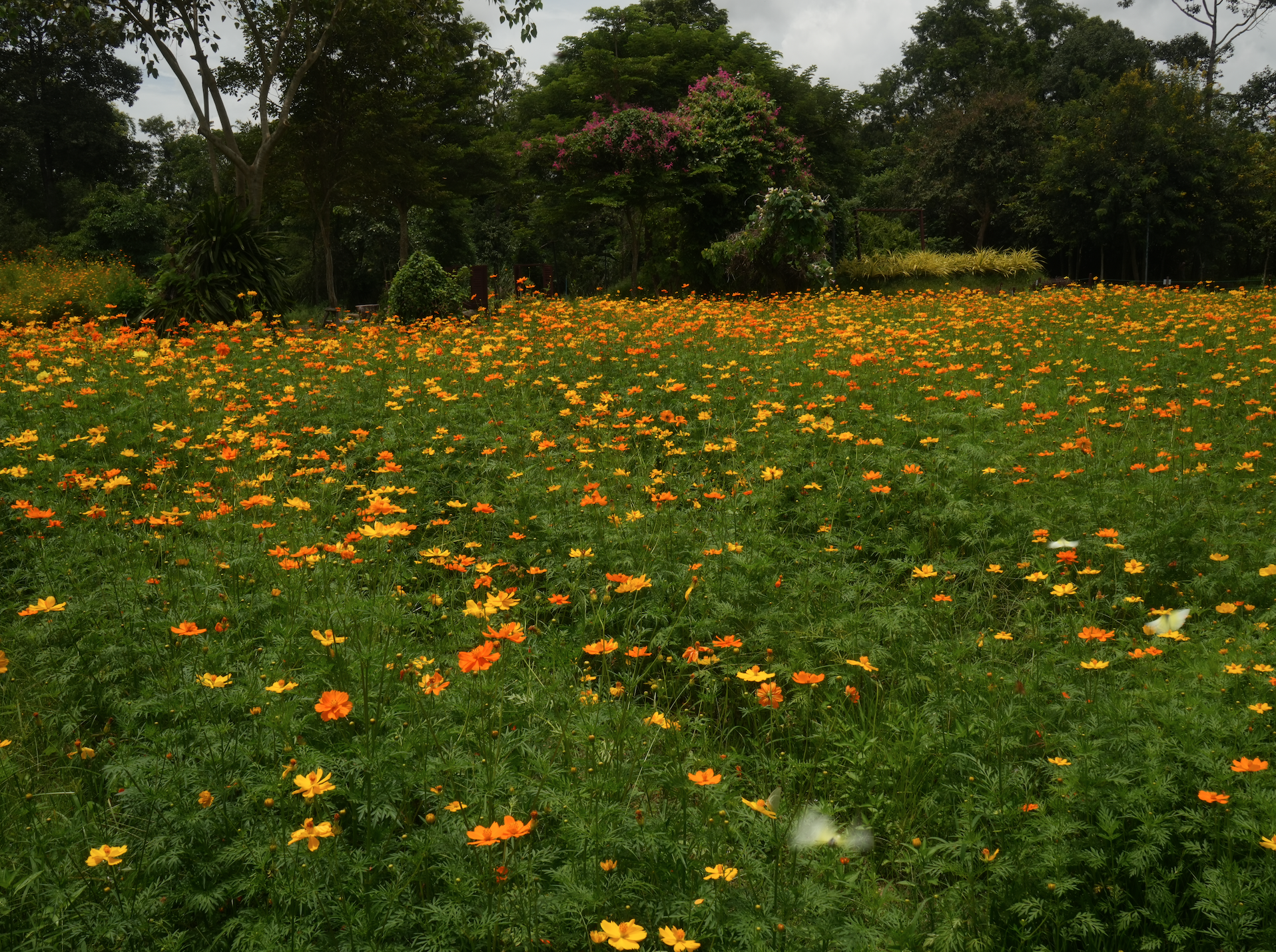
The garden is still relatively young, so perhaps its educational and conservation work will become more visible as it develops. I would love to return one day and find richer signs, clearer storytelling and more attention given to Cambodia’s rare, endangered and culturally important plants.
For now, I would recommend visiting it as a peaceful public park rather than expecting the depth of a mature botanical garden. If you need somewhere quiet to walk, relax and escape the traffic of Siem Reap for a while, it is still worth the visit.