
The Last Stage (Riverside)
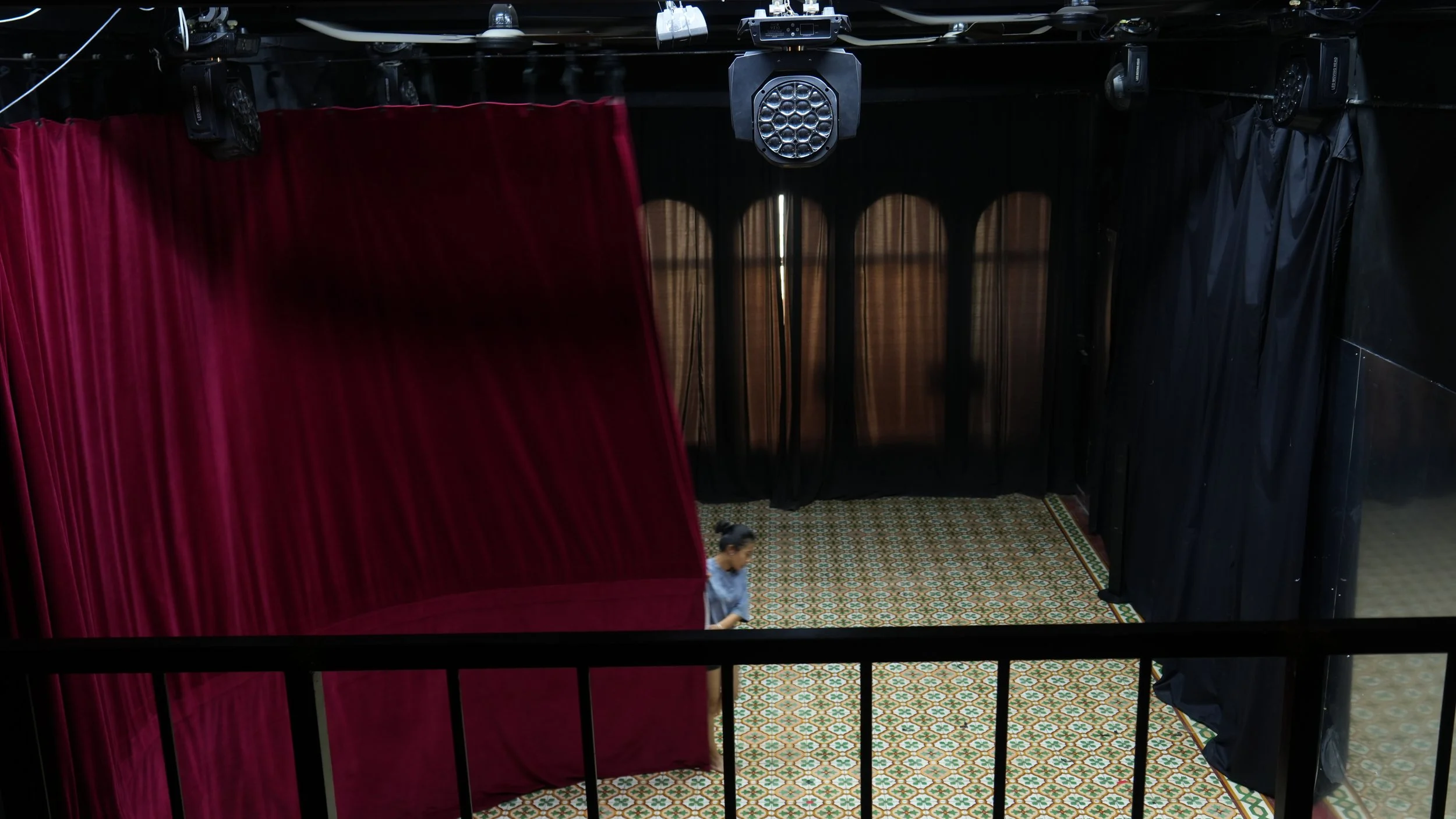
Their humble stage is set in a vintage building, very few places in P.P. still has these ciment tiles and motifs
In Cambodia’s rapidly evolving art scene, contemporary theatre remains somewhat of a rarity. What largely dominates is classical Khmer performance and commercial cinema, both deeply rooted and widely consumed. Experimental theatre, on the other hand, struggles to find its place, often due to audience habits, limited infrastructure, and a lack of consistent funding or institutional support. In that landscape, The Last Stage Theater Riverside feels almost like an oasis.
As the company’s original venue, it stands as one of the few spaces actively shaping a contemporary theatrical language in the country. Tucked away on the third floor of a river-facing building, the theatre is an intimate 70-seat space that hosts performances on a selective but consistent basis. I’ve been there many times, and each visit feels slightly different, yet grounded in the same spirit of experimentation.
The audience itself reflects this diversity, ranging from the older Khmer generation, young Khmer creative professionals, and the typical expat. There’s something quietly powerful about that mix, all gathered in such a space, sharing an experience that feels both local and outward-looking.
The programming brings together local Khmer artists and international directors, with performances staged in Khmer and accompanied by English and French subtitles. The repertoire spans adaptations of playwrights like Tennessee Williams and William Shakespeare to contemporary voices such as Joël Pommerat and Wajdi Mouawad, alongside original creations developed by associate artists.
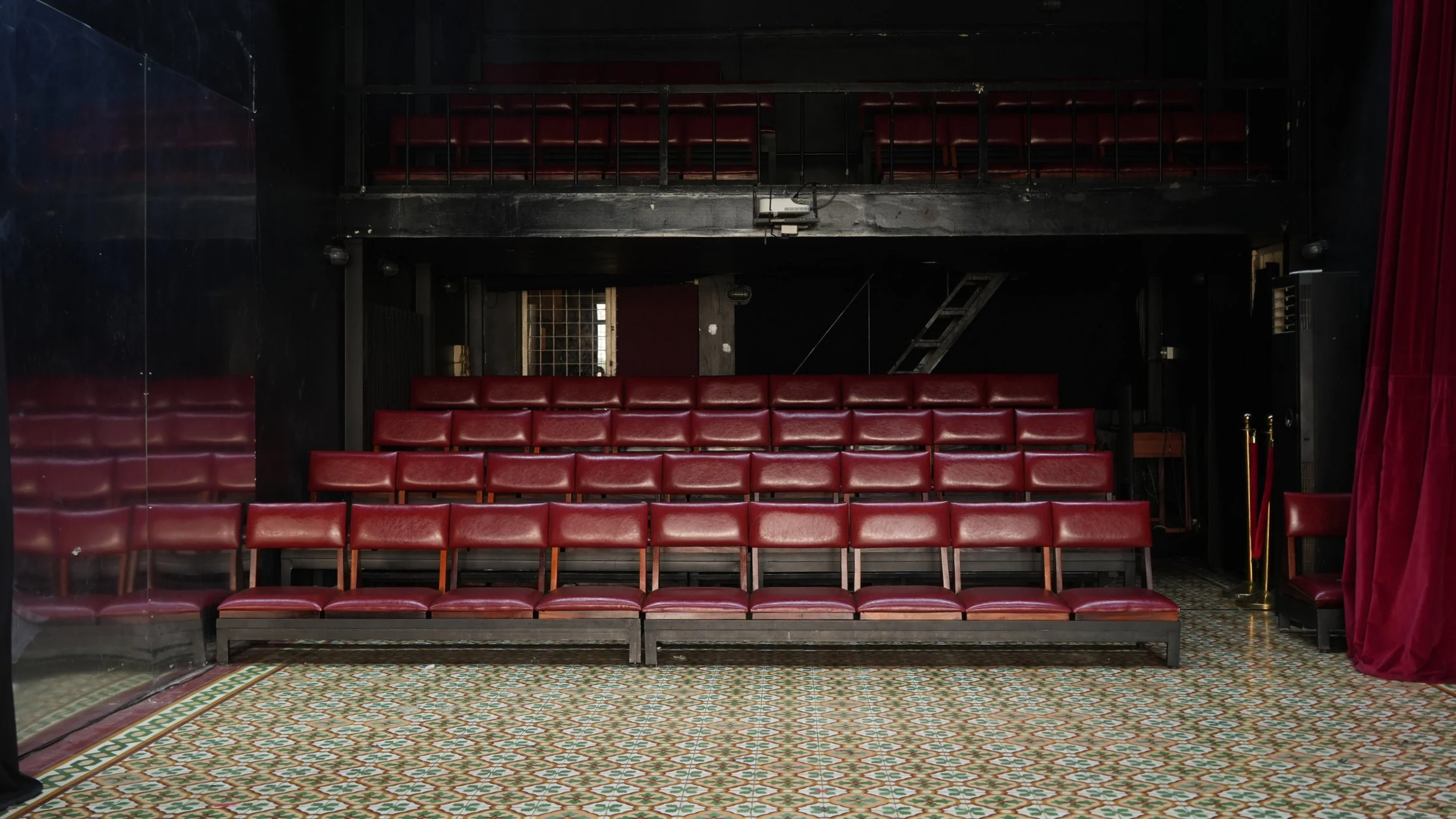
The space went from hosting only 40 spectators to 80 people on a full-house night
What stands out is not just the range of references, but the freedom in form. Performances can shift from long, punchy monologues to physical movement, from dance to meta-theatrical structures that play with the boundaries of stage and reality. It’s immersive, often minimal, and deeply rooted in the Khmer language, which gives it a particular rhythm and emotional texture.
One of their most successful recent productions, A Part of Us, showcases this approach. Blending live theatre with real-time filming and editing, it created a layered experience where the audience was constantly navigating between what was happening on stage and what was being projected. It opened up new ways of experiencing a performance.
The experience extends beyond the stage. After passing through a small entrance and climbing a staircase reminiscent of Sino-French colonial architecture, you arrive at a bar space overlooking the Tonlé Sap. After each show, the atmosphere shifts, people stay, talk, drink, and exchange thoughts. The conversations I’ve had there are often deep and unexpectedly intellectual, reflecting not just on the performance but on Cambodian society itself.
More than just a venue, this space feels like a site of genuine experimentation. It’s a place where artists and audiences alike are testing boundaries, questioning forms, and imagining what contemporary Khmer theatre is becoming.
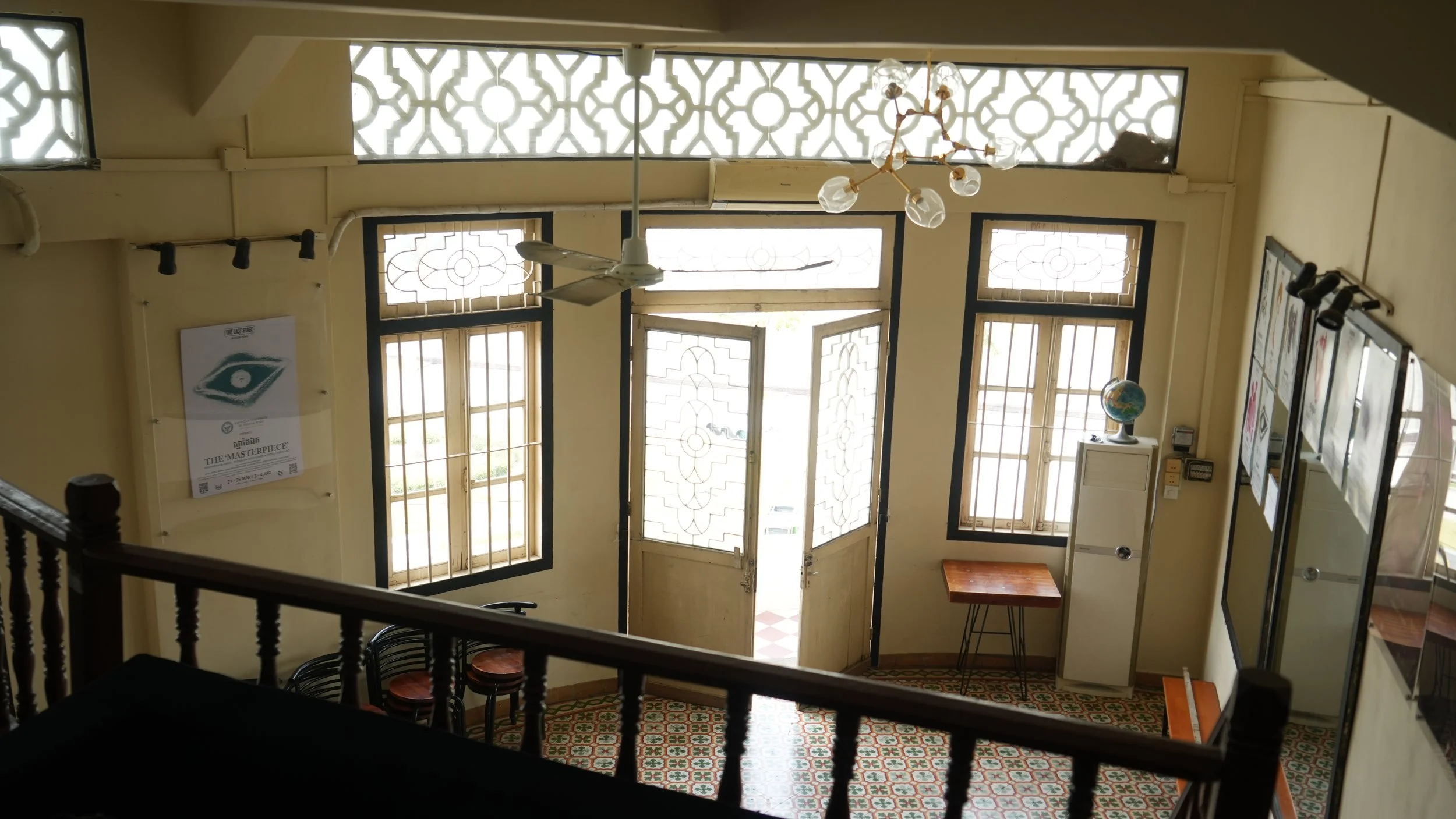
Their bar/café area where you can mingle with actors, artists, locals.
