Sosoro Museum
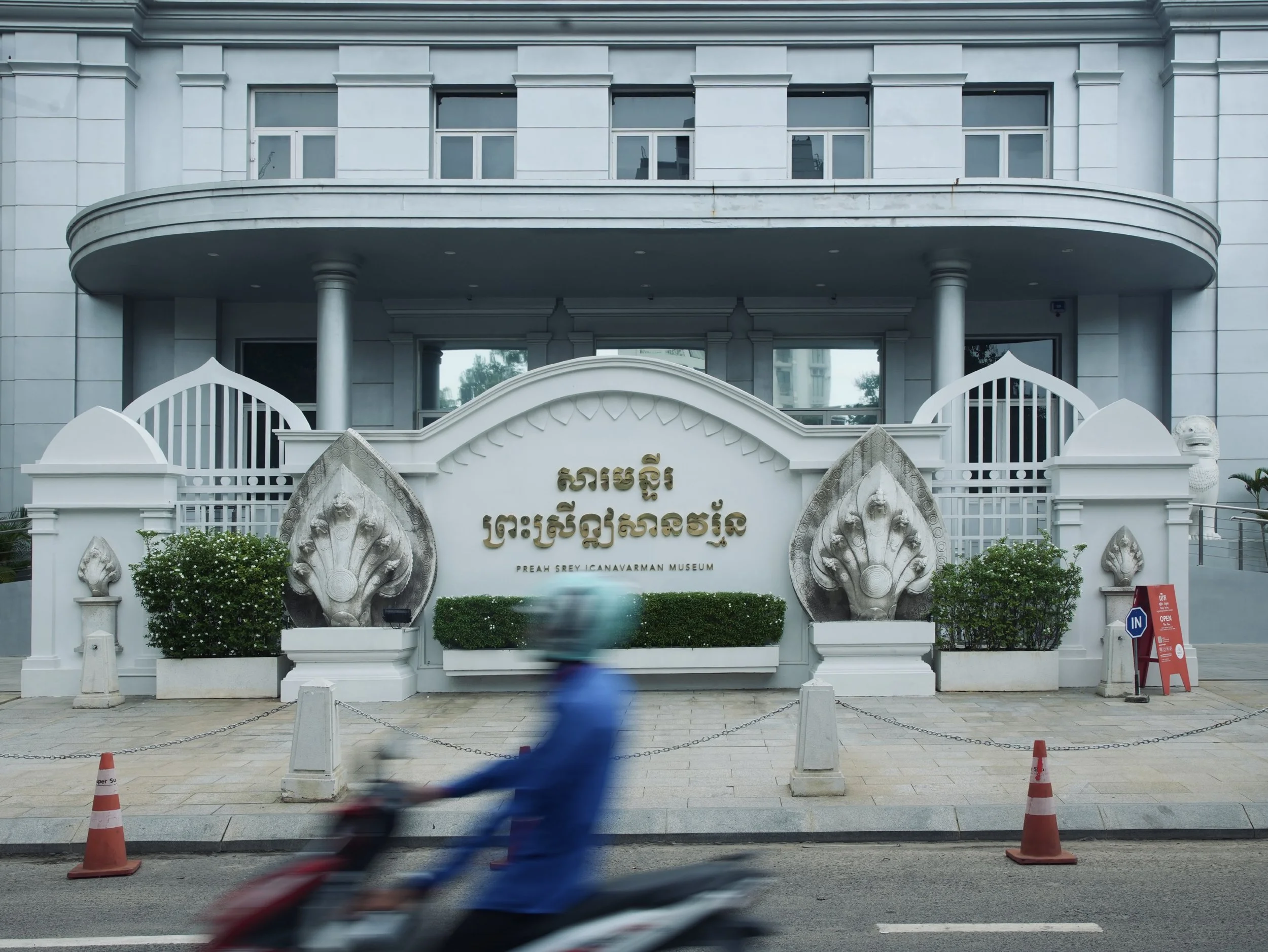
I wouldn’t have been able to guess that the building is a colonial building from the 1900s!
There is, in general, a real lack of museums in Cambodia, excluding heritage sites, cultural centers, galleries, and archives. So when the SOSORO Museum opened in 2019, it felt like a refreshing addition to Phnom Penh’s cultural landscape.
The museum is dedicated to Cambodia’s economic, monetary, and trade history, but what makes it compelling is the way it tells the story of the country through something as ordinary and yet powerful as money and even the definition of money. Coins, banknotes, trade routes, financial systems, things we usually think of as technical or background, become a way to understand how Cambodia has been shaped over nearly 2,000 years, from the genesis of the Khmer Empire, to the French protectorate, to the Khmer Rouge, and contemporary Cambodia.
What makes SOSORO interesting is that it offers a genuinely different perspective on Khmer history. Instead of focusing only on kings, wars, temples, or trauma, it looks at how Cambodia grew, exchanged, adapted, and connected with the wider world through trade and currency. It also goes quite deep into how money, or the lack of a stable monetary system, can make or break an entire society.
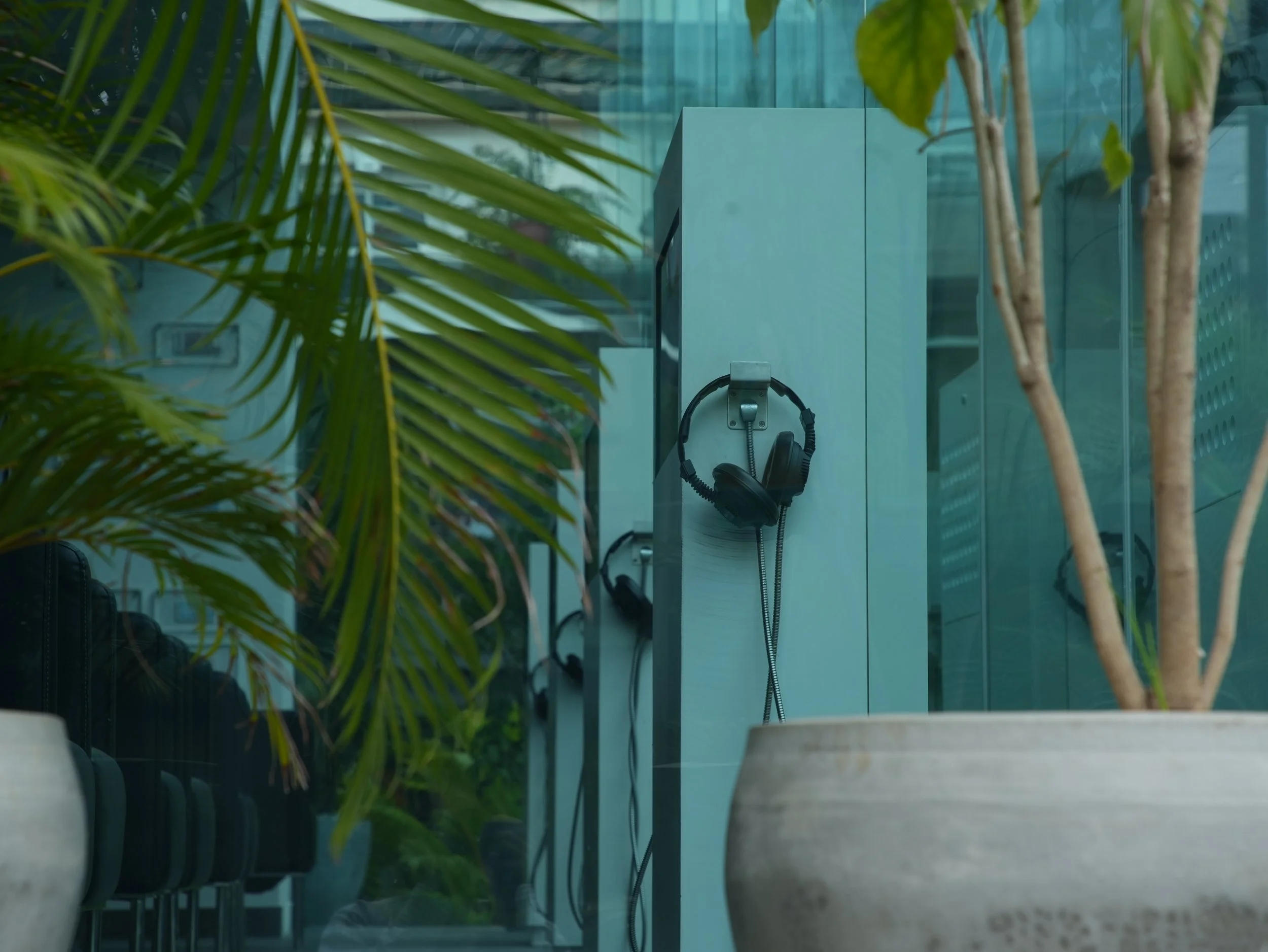
The museum itself is very contemporary: audio guides, carefully designed lighting, interactive displays, and short documentaries. It feels polished, accessible, and surprisingly immersive.
One of the details I found fascinating was learning that Roman coins had been discovered among other ancient coins in Cambodia. Just imagining the distance they travelled, from the Roman world all the way to South East Asia, opens up a completely different sense of how connected Cambodia already was to wider trade networks.
Unfortunately, I wasn’t able to take photos of the permanent exhibition, as photography wasn’t allowed inside. So for once, you’ll actually have to go and see it for yourself!