
French Institute of Cambodia
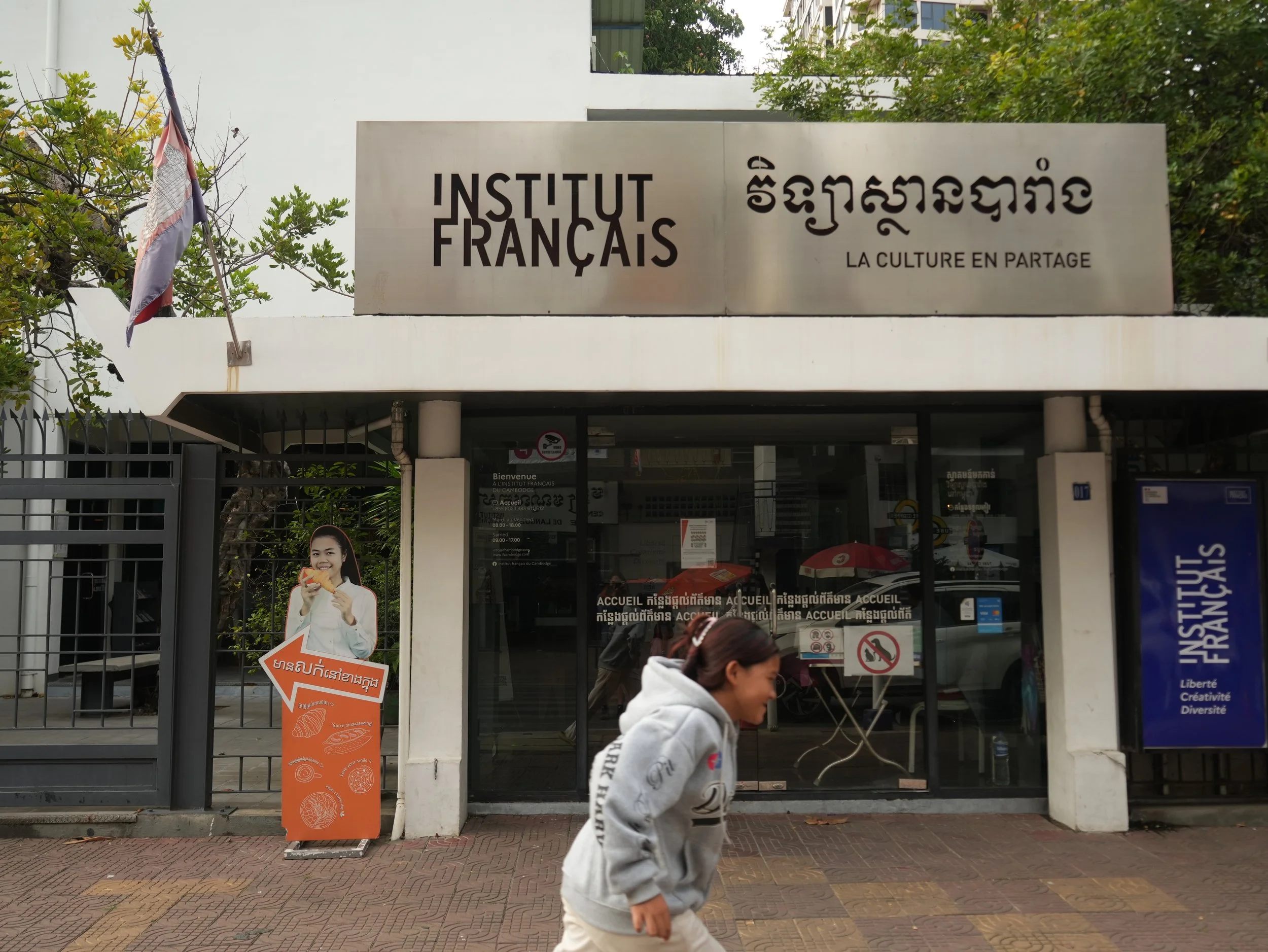
Cultural soft power is often most effective when we barely notice it working.
The Institut français du Cambodge (IFC) has spent more than three decades building bridges through arts and culture. Opened in 1990 (first as an Alliance Française and later the Centre culturel français) it adopted its current name in 2011. Today, it supports Cambodian artists through exhibitions and performances while bringing French and Francophone artists into workshops, residencies and collaborations. It has also partnered with The Last Stage, supporting Phnom Penh’s first contemporary theatre festival and exchanges between Cambodian and international performers. (IFC history and facilities, Golden (R)Age Festival)
The space itself is a genuine creative hub: a media library, cinema, exhibition gallery, restaurant, garden and spaces for concerts, talks and performances. You can come for an exhibition and end up watching a film, finding a book, eating, or simply sitting in the garden.
I understand why the word “French” in French Institute can feel jarring, particularly in a country marked by French colonial rule. That history should not be ignored. But what I find interesting about the IFC is how outward-facing it can be, and how often Cambodian artists appear not as passive recipients of cultural diplomacy, but as artists shaping the programme and the conversations around it.
This time, I saw Khvay Samnang’s Spirit, Body, and Land, a survey of works created between 2016 and 2026. His deeply political and moving practice examines land, environmental destruction, colonialism, globalization and the relationships between human, non-human and spiritual life. Several works emerge from sustained engagement with Indigenous communities and collaborations with choreographers and dancers, bringing the vocabulary of classical Khmer dance into contemporary art without stripping it of its social and political stakes. (Exhibition overview, documenta 14 artist page)
Spirit, Body, and Land runs at the IFC in Phnom Penh until 26 September 2026. Entry is free with registration. If you travel through culture, not just monuments and restaurants—French institutes are always worth investigating, especially in places where their presence carries a complicated colonial history. They can reveal both the mechanics of soft power and the unexpected artistic encounters it helps make possible.
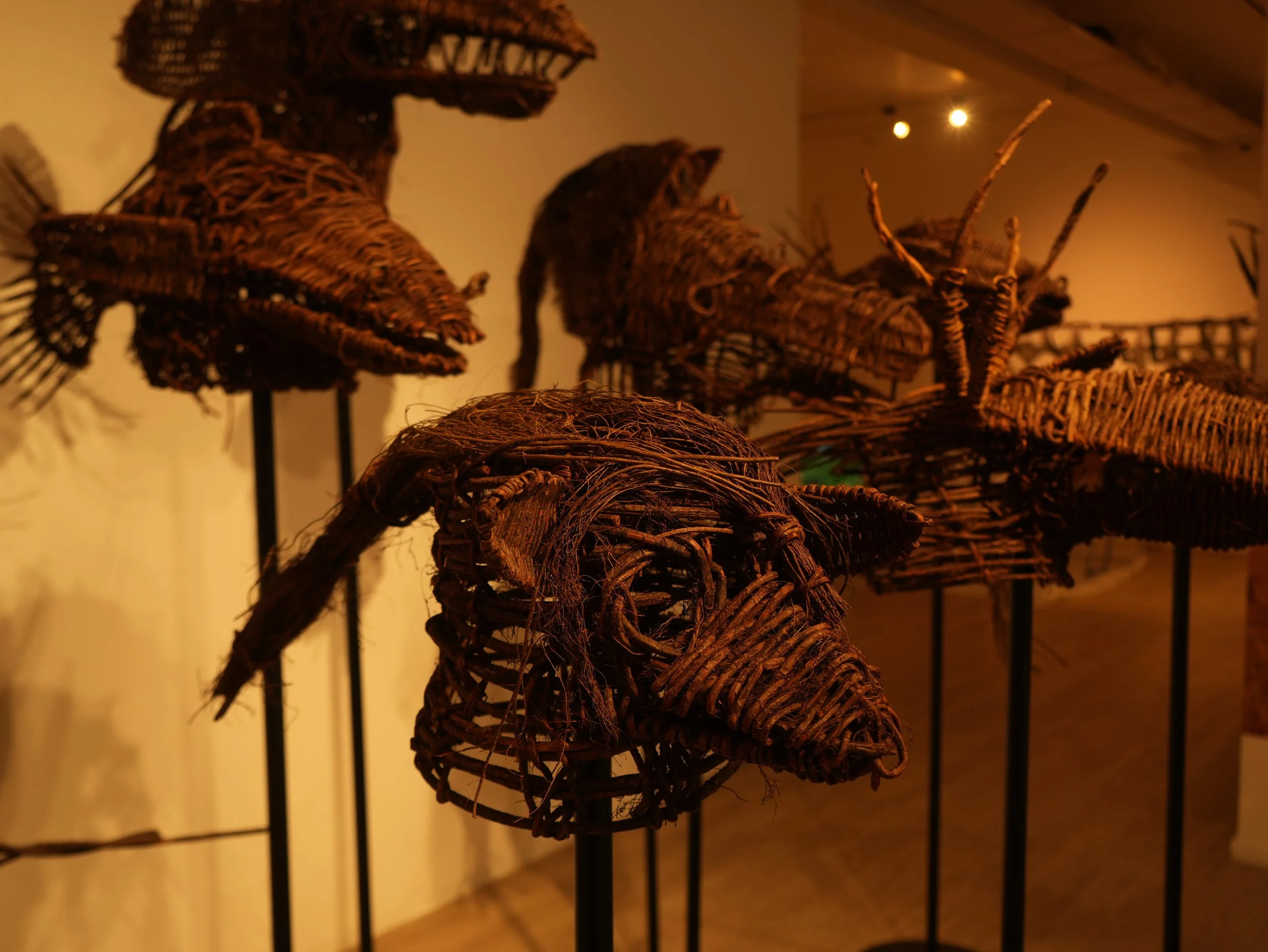
Samnang appeared in two consecutive editions of documenta, one of the world’s most significant contemporary-art exhibitions, held every five years in Kassel: individually at documenta 14 in 2017, and through Sa Sa Art Projects at documenta fifteen in 2022 (documenta fifteen participation)
Practical information
